


You could increase your home’s value by 16%
Simply improving your property’s EPC rating could be the way forward.

This is because many buyers are starting to focus their search on greener, energy-efficient homes.
This new buying trend may partly be the result of the government’s push to meet the UK’s target of becoming Net Zero by 2050. To achieve this worthy goal, most residential properties would need to reach an energy rating of C or above by 2035.
In the future, buying a low-rated home could mean having to accept tougher mortgage rates, which, combined with rising fuel costs, makes this prospect less desirable.
Therefore, it’s not surprising that savvy buyers are keeping an eye out for features such as air source heat pumps, PV solar panels, mechanical ventilation with heat recovery, and EV chargers, to name a few.
Properties for sale that are costly to run, or less environmentally friendly could see more buyers attempting to chip away at the asking price to factor in improvements they’ll eventually want to make. Likewise, eco-homes are starting to benefit from the ‘green price premium’.
If you’d like to learn more about how investing in energy efficiency measures could affect the value of your home, contact us. As your local property specialists, we’re happy to help.
We’re also on hand to match buyers with greener properties – let us know your requirements today!
*According to a recent Rightmove analysis of over 200,000 homes.
This article was originally published by BriefYourMarket and is reproduced here with their permission.
For more company news and insights from Pygott & Crone, click here




Latest news
One third of properties need price reductions: How to avoid joining them
January 2026 brought a strong start to the property market.
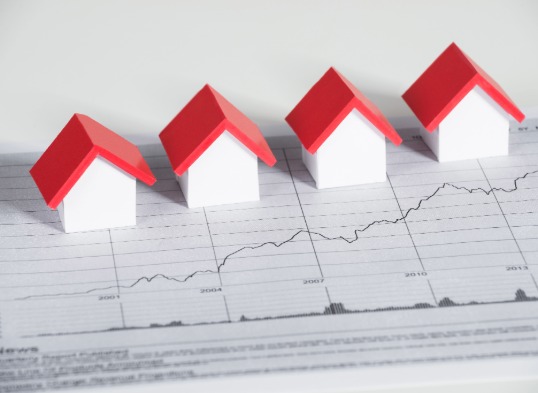
Mortgage rates and what they mean for buyers and sellers
Mortgage rates and what they mean for buyers and sellersMortgage rates are one of the most significant factors in the UK property market, influencing how much buyers can borrow, which price brackets are accessible, and how sellers should calibrate their expectations.

What buyers are actually doing during a viewing, and why it matters
What buyers are doing during a viewing, and why it matters A viewing typically lasts thirty to forty-five minutes, and within that window a browser becomes a buyer, or does not.
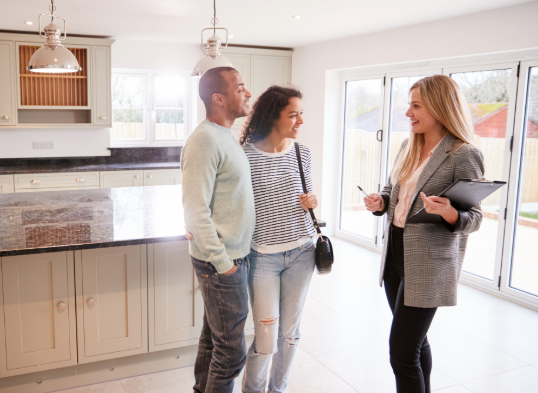
Preparing for a valuation visit: What agents actually look at
Preparing for a valuation visit: What agents actually look atMost sellers tidy the house before an agent comes to value it, which is sensible enough.
