


The rise of flexible living: is it here to stay?
Flexibility is now a way of life. Over the past few years, our homes have evolved from being static places of rest to dynamic, multifunctional spaces.

The rise of flexible living is more than just a trend it’s a shift in how we view and use our homes. With the flexibility to work remotely, engage in hobbies, or even turn a room into a temporary office or studio, the traditional concept of home has been redefined.
But with this shift, the question arises: is flexible living here to stay, or is it just another fleeting change?
The changing definition of ‘home’
Many people now see their living spaces as a reflection of their broader lifestyle. Remote work, side gigs, and hobbies are all part of our daily routines, and as a result, we need homes that adapt to our changing needs.
For instance, a home office once thought of as a luxury for the few is now a non-negotiable for many. The rise of work-from-home options has changed the expectations for many renters and buyers, with dedicated workspaces, high-speed internet access, and even quiet areas for relaxation becoming essential.
The appeal of adaptability
The pandemic years accelerated the shift toward more flexible living. With people spending more time at home, the desire for spaces that could serve multiple purposes became more apparent. For example, homes that could easily accommodate both working and living needs became more valuable. Spaces that were once bedrooms or dining rooms now double as office spaces, gym areas, or entertainment zones.
This adaptability has created a cultural shift. We no longer want homes that just shelter us; we want homes that allow us to live, work, create, and unwind all within the same space.
Renting as a gateway to flexibility
For tenants, flexibility has become one of the most significant advantages of renting. Shorter leases, flexible rental terms, and furnished properties allow for a level of mobility and freedom that homeownership doesn’t always provide. This flexibility makes renting more attractive, especially for those in transition periods or those who want to test out a new area without a long-term commitment.
Is it here to stay?
With the growing demand for flexible living spaces, it seems that this shift is not just a response to the challenges of the past few years, but rather an ongoing cultural change. As more people embrace the freedom to work and live from different locations, and as homes become even more versatile, flexible living is set to remain a key feature of modern life.
Whether you’re renting or buying, embracing a flexible living space that grows with your needs is no longer just an option it’s becoming the standard.
Looking for a home that fits your flexible lifestyle? Let’s help you find the perfect space today
This article was originally published by BriefYourMarket and is reproduced here with their permission.
For more company news and insights from Pygott & Crone, click here




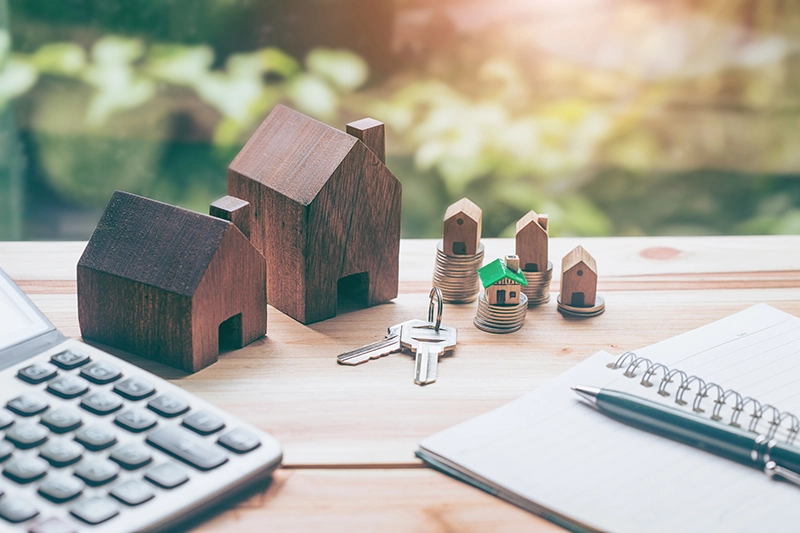
Latest news
One third of properties need price reductions: How to avoid joining them
January 2026 brought a strong start to the property market.
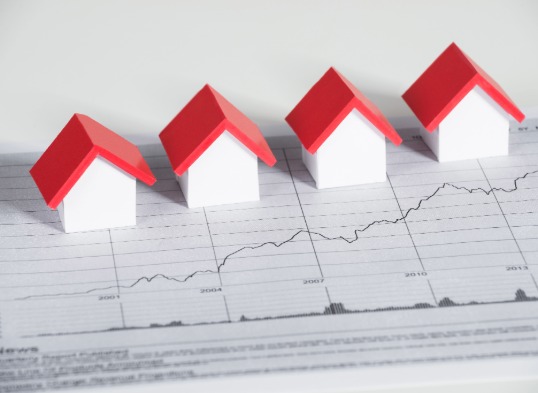
Mortgage rates and what they mean for buyers and sellers
Mortgage rates and what they mean for buyers and sellersMortgage rates are one of the most significant factors in the UK property market, influencing how much buyers can borrow, which price brackets are accessible, and how sellers should calibrate their expectations.

What buyers are actually doing during a viewing, and why it matters
What buyers are doing during a viewing, and why it matters A viewing typically lasts thirty to forty-five minutes, and within that window a browser becomes a buyer, or does not.
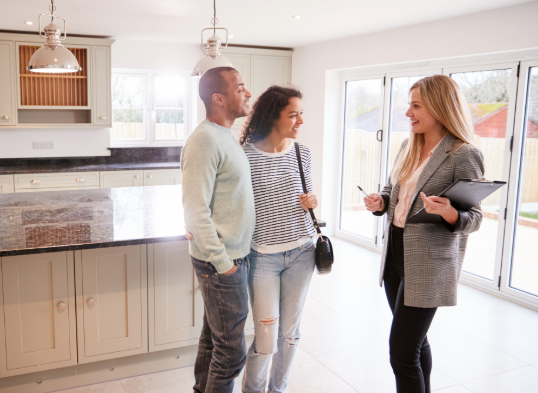
Preparing for a valuation visit: What agents actually look at
Preparing for a valuation visit: What agents actually look atMost sellers tidy the house before an agent comes to value it, which is sensible enough.
