

The home improvements that add thousands to your sale price versus the ones that waste money
The improvement trap everyone falls into You're thinking about spending £15,000 on a new kitchen because it “must” add value.

Or £8,000 on a bigger patio because outdoor space is popular. Then you list your property and discover buyers don’t value those upgrades as highly as you expected-or worse, they preferred what you replaced. The result? Thousands spent on improvements that don’t translate into higher offers.
Here’s what separates improvements that genuinely add value from costly projects that benefit sellers more than buyers: understanding that buyers care about condition, maintenance, and running costs far more than high-spend cosmetic upgrades.
Fix what’s broken before adding what’s new
Buyers deduct thousands for visible defects but rarely pay equivalent premiums for expensive upgrades. A £500 roof repair protects against £2,000 worth of reduced offers. Fixing cracked render, broken windows, sticking doors, or leaking taps increases buyer confidence immediately.
Meanwhile, £5,000 on high-end bathroom fixtures might only add £1,000 to your sale price. Buyers expect bathrooms to function well-they don’t pay extra for branded taps when maintenance issues still exist elsewhere.
Paint returns more than almost anything
Fresh, neutral paint transforms a property for a few hundred pounds. It creates a clean, bright impression and allows buyers to visualise their own style. Bold colours or feature walls limit appeal, but whites, creams, and light greys maximise it.
A weekend painting costs little and delivers one of the highest returns of any improvement.
Kerb appeal is cheap but powerful
First impressions determine whether buyers enter feeling positive or sceptical. A freshly painted front door, clean windows, weed-free paths, trimmed borders, and a tidy entrance cost very little but significantly lift perceived value.
Neglected exteriors make buyers expect internal issues before they even step inside.
Energy-efficiency upgrades buyers notice
New boilers, insulation improvements, and double glazing reduce running costs-something buyers actively calculate. A better EPC rating improves affordability and mortgage appeal, often adding more value than the cost of the improvement itself.
High-cost installations like heat pumps or solar panels rarely return their full value at resale today. Focus on improvements with clear, measurable benefits.
Your strategic improvement plan
• Fix all maintenance issues before upgrading anything.
• Repaint in neutral colours for maximum buyer appeal.
• Improve kerb appeal-front door, windows, paths, and garden.
• Prioritise energy-efficiency improvements with demonstrable returns.
• Avoid expensive kitchen and bathroom renovations unless the existing ones are genuinely unsuitable.
Sellers achieving strong sale prices aren’t the ones who spend the most. They’re the ones who understand which improvements buyers actually value-and which only improve the seller’s lifestyle without increasing market value.
Considering improvements before selling? Get expert advice today
This article was originally published by BriefYourMarket and is reproduced here with their permission.
For more company news and insights from Pygott & Crone, click here




Latest news

One third of properties need price reductions: How to avoid joining them
January 2026 brought a strong start to the property market.
Mortgage rates and what they mean for buyers and sellers
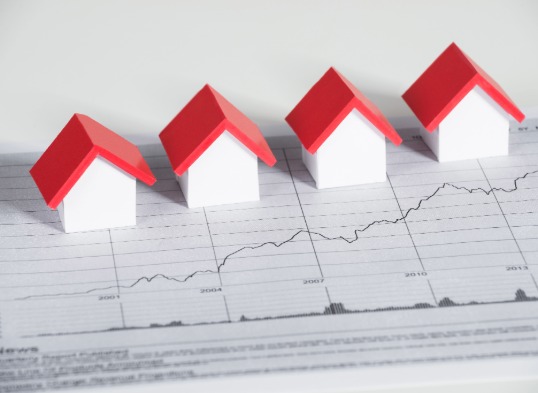
Mortgage rates and what they mean for buyers and sellersMortgage rates are one of the most significant factors in the UK property market, influencing how much buyers can borrow, which price brackets are accessible, and how sellers should calibrate their expectations.

What buyers are actually doing during a viewing, and why it matters
What buyers are doing during a viewing, and why it matters A viewing typically lasts thirty to forty-five minutes, and within that window a browser becomes a buyer, or does not.

Preparing for a valuation visit: What agents actually look at
Preparing for a valuation visit: What agents actually look atMost sellers tidy the house before an agent comes to value it, which is sensible enough.
