

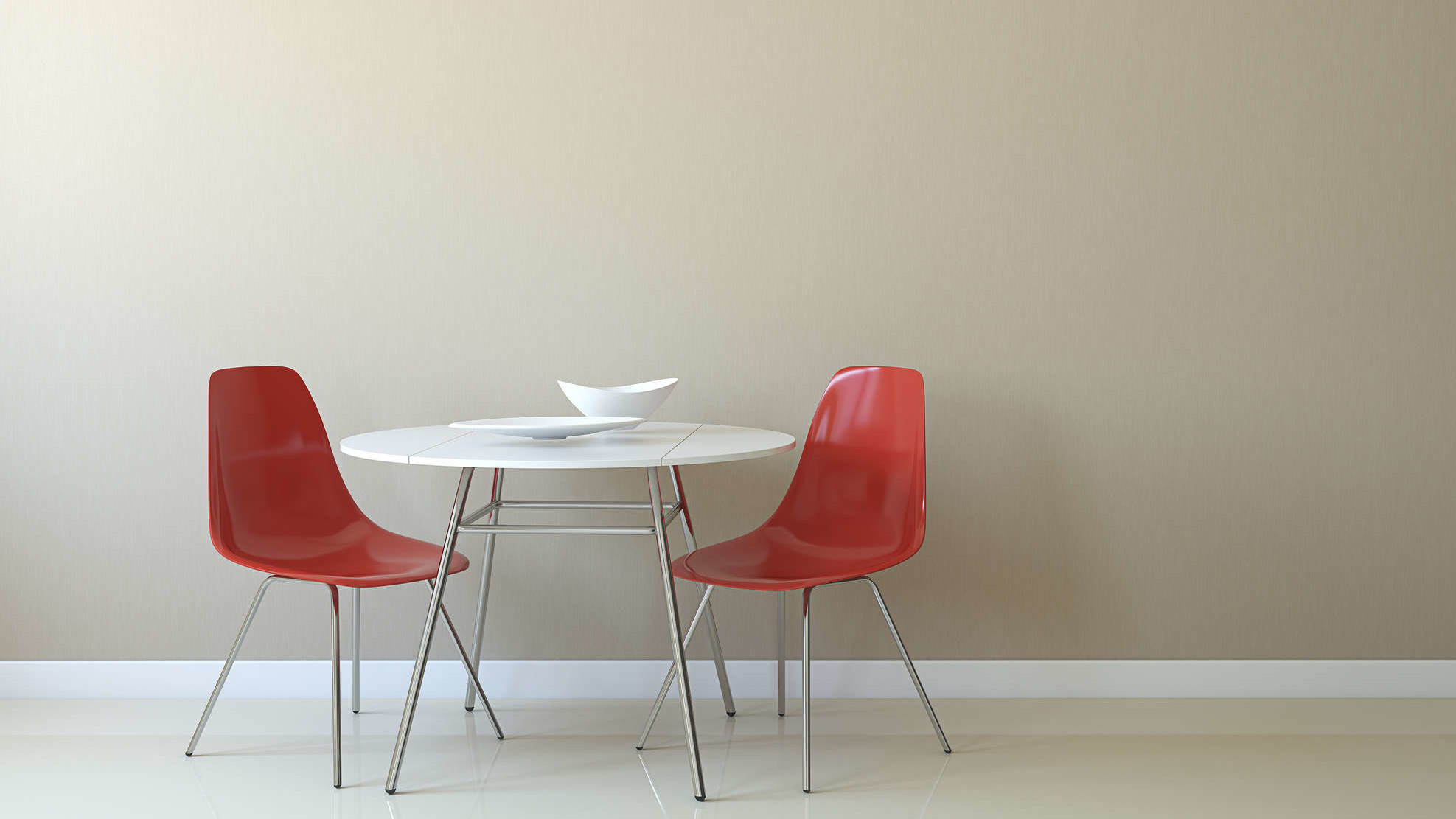
New build homes at a 21-year high

Over 49,470 new build properties were completed in the first three months of 2021 – the highest figure recorded in 21 years.
*
Why are so many new homes being built?
In 2020, building projects came to a sharp halt with the closure of construction sites as well as the country’s housing market.
As measures began to be introduced to provide COVID-secure premises, work was once again able to resume in 2021, leading to a sharp increase in the number of house building plans in light of pent-up demand.
Who does this affect?
The pandemic has led to a year-long market boom, with prices skyrocketing and high buyer enquiry levels putting pressure on the market to deliver a greater supply of available homes.
With many of us weighing up our priorities, light and space have become more important, causing waves of home movers to uproot themselves in the search of more fitting properties.
Given this trend, it’s no surprise that 81% of new builds in the first quarter were houses rather than flats, as larger family homes have become the most sought-after property type of 2021.
Why is this great news for the industry?
Typically, between 240,000 and 340,000 new homes are needed every year to keep up with demand.
The pandemic has meant production of these houses has had to slow down, meaning that the 21-year high is welcome news to developers and buyers alike.
Another key development within the sector is the conversion of commercial spaces into stylish, residential properties, as more companies establish hybrid or remote ways of working.
If you’re looking to buy a new build property, contact us today to see our selection of homes on offer.
*Ministry of Housing, Communities and Local Government
This article was originally published by BriefYourMarket and is reproduced here with their permission.
For more company news and insights from Pygott & Crone, click here




Latest news
One third of properties need price reductions: How to avoid joining them
January 2026 brought a strong start to the property market.
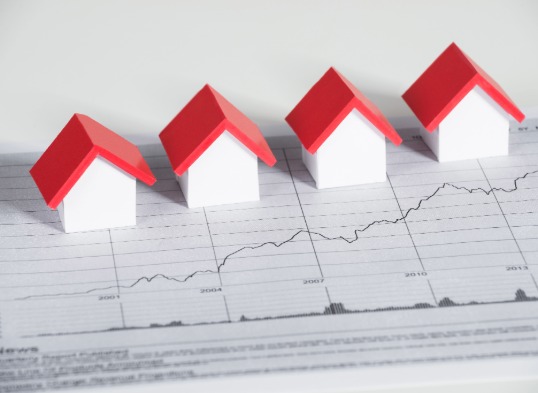
Mortgage rates and what they mean for buyers and sellers
Mortgage rates and what they mean for buyers and sellersMortgage rates are one of the most significant factors in the UK property market, influencing how much buyers can borrow, which price brackets are accessible, and how sellers should calibrate their expectations.
What buyers are actually doing during a viewing, and why it matters
What buyers are doing during a viewing, and why it matters A viewing typically lasts thirty to forty-five minutes, and within that window a browser becomes a buyer, or does not.
Preparing for a valuation visit: What agents actually look at
Preparing for a valuation visit: What agents actually look atMost sellers tidy the house before an agent comes to value it, which is sensible enough.
