

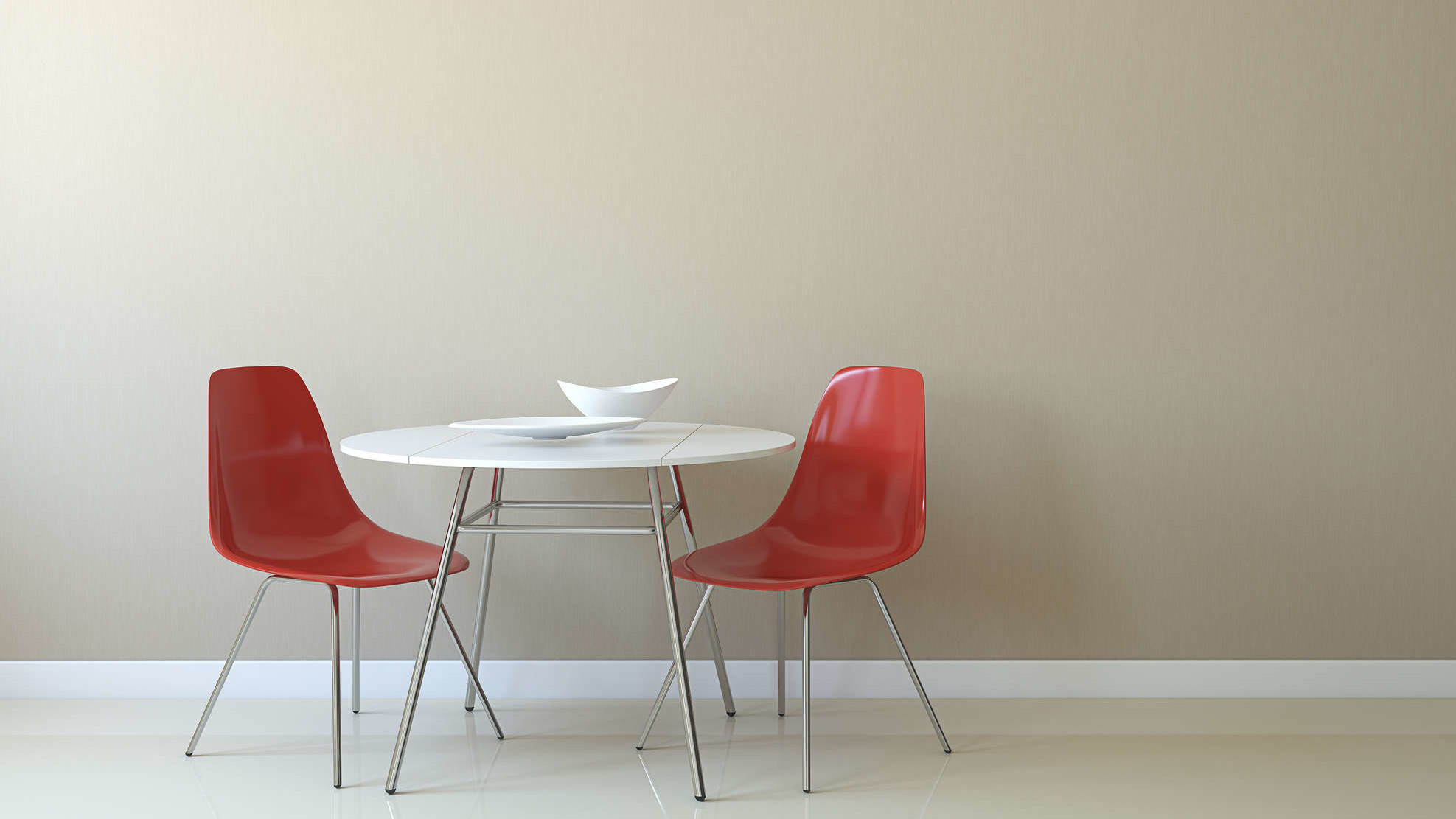
Market boom leads to more sales and higher prices

The average UK property price has risen by 8.
6%, which is roughly £20,000 in the past year. This is the highest annual rate since 2014 according to the Office for National Statistics.
Over the year, house prices in England increased to £268,000 (up by 8.7%), in Wales to £180,000 (up by 8.4%) and in Scotland to £162,000 (up by 8%).
The North West was the region that saw the highest annual growth in average house prices (11.9%), while London recorded the lowest positive growth (4.6%).
The figures reported by HM Revenue & Customs show that sales in March this year more than doubled from March in 2020.
It is estimated by HMRC that 190,980 sales took place in March 2021, a 202.3% increase in transactions compared with the previous year at 94,380.
Despite the tapering of the stamp duty holiday later this summer, it has been predicted within the sector that the high demand levels we’re seeing will continue to propel activity and protect property prices.
The vaccine roll out and easing of lockdown restrictions have led to dramatic changes to consumer confidence within the UK, supporting this expectation for the housing market.
If you’d like to review your options buying or selling this year, talk to us today.
This article was originally published by BriefYourMarket and is reproduced here with their permission.
For more company news and insights from Pygott & Crone, click here





Latest news
One third of properties need price reductions: How to avoid joining them
January 2026 brought a strong start to the property market.
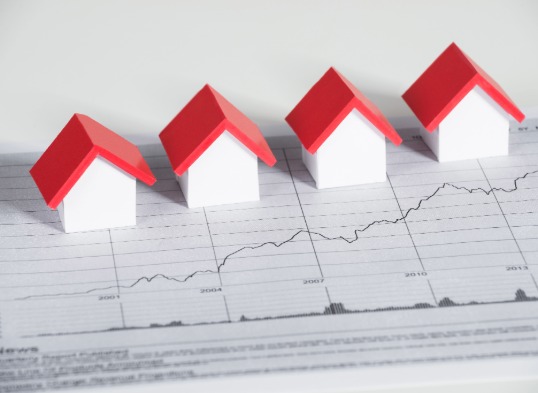
Mortgage rates and what they mean for buyers and sellers
Mortgage rates and what they mean for buyers and sellersMortgage rates are one of the most significant factors in the UK property market, influencing how much buyers can borrow, which price brackets are accessible, and how sellers should calibrate their expectations.
What buyers are actually doing during a viewing, and why it matters
What buyers are doing during a viewing, and why it matters A viewing typically lasts thirty to forty-five minutes, and within that window a browser becomes a buyer, or does not.
Preparing for a valuation visit: What agents actually look at
Preparing for a valuation visit: What agents actually look atMost sellers tidy the house before an agent comes to value it, which is sensible enough.
