


UK house prices have climbed on average by £25,000 in the past year alone

House prices rose by 10.
6% during August, up from 8.5% during July – bringing the average price to £264,000.*
This strong national increase is being fuelled by the perfect storm of high buyer demand combined with low housing stock levels.
The stamp duty holiday helped increase house prices in the UK by 9.8% in the year to August, before coming to a close in September.
Whilst growth rates were seen to be higher in Wales and Scotland, the average prices are lower at £195,000 and £181,000 respectively.
At the same time, London has seen the lowest level of growth across all regions but has reached a new height at £526,000 on average.
Even though the stamp duty holiday has finished, experts believe that prices won’t fall due to demand for homes remaining higher than supply.
Online property searches spike over the Christmas period, giving you an optimal window to showcase your home and attract buyers in the new year.
To learn your property’s value and get it market-ready in time for the holidays, contact us.
*Office for National Statistics
This article was originally published by BriefYourMarket and is reproduced here with their permission.
For more company news and insights from Pygott & Crone, click here





Latest news

The autumn deadline student tenants need on their radar
The autumn deadline student tenants need on their radar Most of the changes introduced by the Renters' Rights Act on 1 May 2026 work in tenants' favour: stronger security of tenure, no more no-fault evictions, and the freedom to leave at any point with two months' written notice.

What your landlord must do with your deposit, and by when
What your landlord must do with your deposit, and by when When you hand over a deposit at the start of a private tenancy in England or Wales, the law sets out precisely what your landlord must do with it and when.

Why first-time buyers pay wildly different stamp duty depending on where they buy
Why first-time buyers pay wildly different stamp duty depending on where they buy First-time buyers in England start from the same point on paper: a stamp duty relief threshold that means no tax is paid on the first £300,000 of a purchase price.
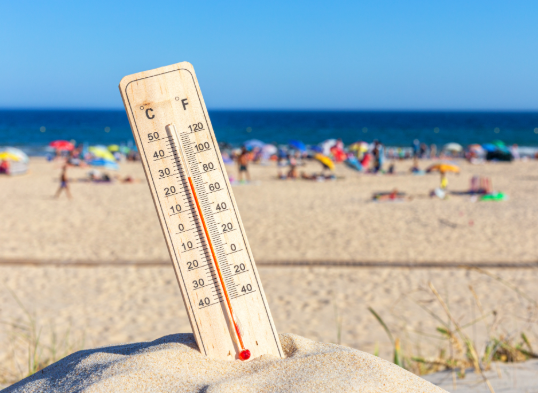
Three heatwaves, three dips, one resilient buyer market
Three heatwaves, three dips, one resilient buyer market The summer of 2026 tested the UK property market with an unusual combination of pressures: three separate heatwaves, a World Cup, a period of political uncertainty, and elevated mortgage rates following the conflict in Iran.
