

Energy costs 44% above pre-crisis levels: Why EPC ratings matter for your budget
The easing of the energy price cap in April 2026 is welcome news for households across the UK.

Ofgem’s decision to reduce the cap by 6.7% means the typical annual energy bill for a dual-fuel household now sits at approximately £1,641.
However, despite this reduction, household energy costs remain significantly higher than they were before the energy crisis began. Average bills are still around 44% above winter 2021/22 levels, permanently changing how buyers and tenants should think about EPC ratings when choosing a property.
What the EPC rating tells you
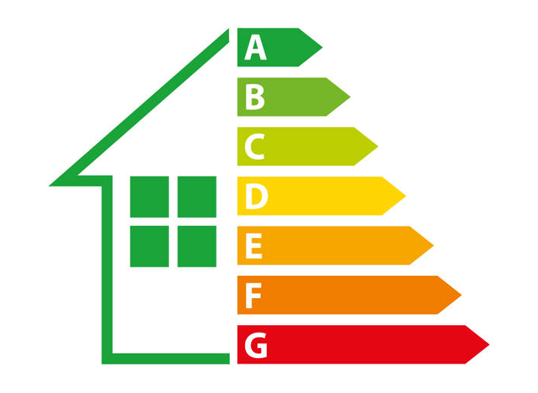
An Energy Performance Certificate rates a property from A to G, with A representing the highest level of energy efficiency and G the lowest.
The certificate assesses factors including:
Insulation levels
Window glazing
Heating systems
Construction type and thermal performance
It also provides estimated annual energy costs based on standardised usage assumptions. While actual bills will vary between households, the EPC remains one of the most useful tools for comparing the likely running costs of different homes.
The gap in energy costs between highly efficient and poorly performing properties can now amount to several thousand pounds per year, particularly at today’s energy prices.
How to interpret EPC ratings today
Many EPC certificates currently in circulation were issued before energy prices increased sharply in 2022. As a result, the cost estimates shown on older certificates may now significantly understate real-world running costs.
For this reason, buyers and tenants should focus primarily on the EPC band itself rather than the specific estimated bill figures on older reports.
As a general guide:
Bands A and B represent the most energy-efficient homes
Band C is considered a solid modern standard
Bands D and E are noticeably less efficient
Bands F and G are the least efficient and subject to legal restrictions in the rental sector
At current energy prices, the difference in annual running costs between a Band C property and a Band E property can realistically range from hundreds to well over a thousand pounds depending on the size and style of the home.
What this means if you are buying
For buyers, the EPC rating should now form part of any affordability calculation alongside mortgage repayments and purchase price.
A cheaper property with a poor EPC rating may ultimately cost more to own each month once energy bills are factored into the overall budget.
Over several years of ownership, the cumulative cost difference between an efficient and inefficient property can become substantial, particularly while energy prices remain elevated.
Energy efficiency is also becoming increasingly important to mortgage lenders. Some lenders now offer green mortgage products with preferential rates for properties achieving high EPC ratings, helping reduce overall borrowing costs.
What this means if you are renting
For tenants, the EPC provides one of the clearest indicators of likely household running costs before committing to a tenancy agreement.
All rental properties in England must have a valid EPC available at the point of marketing and viewing.
Currently, rental properties must achieve a minimum EPC rating of Band E to be legally let, although this standard will rise to Band C by 2030.
Tenants considering a property with a lower rating should factor likely heating and electricity costs into their total monthly budget alongside rent, council tax, and other expenses.
Requesting the EPC before viewing a property can provide valuable insight into how affordable the home may be over the longer term.
Why EPC ratings matter more than ever
With energy costs still significantly above pre-crisis levels, energy efficiency is no longer a secondary consideration. It now plays a major role in the real cost of occupying a property.
Whether buying or renting, understanding EPC ratings allows households to make more informed financial decisions, avoid unexpected running costs, and identify homes that offer greater long-term affordability.
Have questions about buying or renting? Talk to our team today
This article was originally published by BriefYourMarket and is reproduced here with their permission.
For more company news and insights from Pygott & Crone, click here





Latest news
EPC C deadline approaches
New date for EPC Rating on Rented Properties
Seven key tenant protections under the new Renters' Rights Act
The Renters' Rights Act 2026

Summer moving guide: What tenants should know about mid-year moves
More tenants move during June, July, and August than at any other point in the year.
Energy costs 44% above pre-crisis levels: Why EPC ratings matter for your budget
The easing of the energy price cap in April 2026 is welcome news for households across the UK.
