

Top tips for first-time buyers saving for a deposit
Buying your first home will most likely be the biggest purchase of your life so far.

Are you fortunate enough to have access to a lump-sum of money? Have you won on the lottery? Inherited an extremely rare and valuable heirloom?
Sadly, lots of us are not in any of these wonderful predicaments, so good old-fashioned saving is the key – but particularly in the current climate, this is often the biggest hurdle to deal with when getting your foot on the property ladder.
Decide how much you need to save
Depending on how much you, your partner, or your friend earn, your deposit is a big factor in deciding how much you can borrow. To get a good idea of how much you could borrow, use any of the major high street mortgage lenders’ mortgage calculators. Usually, banks ask for a 10% deposit, but the chances are that you may be eligible for a first-time buyers’ scheme, some of which offer 5% deposits. The larger your deposit, the less interest you will typically pay to the lender of your choice. Whatever your circumstances, all this will help you determine what you are entitled to and give you an idea of how much you need to save.
Set a target
Now that you know how much you need to save, calculate how much you can save per week or per month. Then calculate how long you will have to save for to reach your target. Before you do this work out how and where you can save on how much you spend!
Top tips for spending less and saving more
Rent
Can you rent a room instead of an entire flat or house? Would you consider moving back home with your parents or with a relative with a spare bedroom?
Cars
How many cars have you got in your current household? If you and your partner both drive, then could you get by with one car? If you have financed your vehicle, then settling that finance helps matters too. Your mortgage provider will look at any monthly outgoings and existing debts when deciding how much they will lend you.
Food
One of the biggest expenditures for households these days is food. Think less takeaways and more culinary creativity. Prepare for the fact that when you buy your first home, you may want to cook more food from scratch. There are numerous tips and guides online to help you reduce food costs by developing your kitchen skills. Make it fun, invite friends, and enjoy it!
Get the right savings account
Now that you have worked out how much you can save per month, choose an account that will pay you the most interest. A good savings account will give a return, rather than a costly current account. Then, set up a standing order so that the money is transferred into this account and cannot be spent.
ISA
Depending on how long you are saving, you might consider an ISA. Tax-free and offering interest of up to nearly 5%, this can help speed up your saving and reach your target sooner.
The rewards
Remember to reward yourself for this change in lifestyle – make it fun! See it as an opportunity to improve yourself, and when you reach certain targets, reward yourself so that you have some fun along the way. Just because you are saving more and spending less does not mean that it must be a miserable process. You may find that some changes make your life better. In many ways, it’s about growing and adapting to life as a homeowner, because for the first time, you will have a mortgage to pay.
Looking for your perfect first home? Browse our properties today.
This article was originally published by BriefYourMarket and is reproduced here with their permission.
For more company news and insights from Pygott & Crone, click here




Latest news
One third of properties need price reductions: How to avoid joining them
January 2026 brought a strong start to the property market.
Mortgage rates and what they mean for buyers and sellers
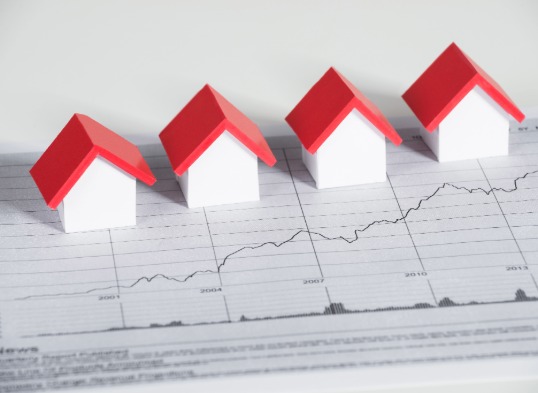
Mortgage rates and what they mean for buyers and sellersMortgage rates are one of the most significant factors in the UK property market, influencing how much buyers can borrow, which price brackets are accessible, and how sellers should calibrate their expectations.

What buyers are actually doing during a viewing, and why it matters
What buyers are doing during a viewing, and why it matters A viewing typically lasts thirty to forty-five minutes, and within that window a browser becomes a buyer, or does not.
Preparing for a valuation visit: What agents actually look at
Preparing for a valuation visit: What agents actually look atMost sellers tidy the house before an agent comes to value it, which is sensible enough.
