

The future of ‘home’: what’s changed in just five years
Five years in the life of a home. The concept of "home" has always been deeply personal, shaped by our individual experiences, values, and lifestyles.

But over the past five years, our idea of home has shifted in ways that few could have predicted. What we want from our homes, how we use them, and even where we choose to live has changed dramatically.
Whether you’ve been in the same home for five years or have experienced a few moves along the way, it’s clear that the way we view, and approach homeownership and renting has undergone a transformation.
Here’s a look at how the future of home has changed in just half a decade.
The work-from-home situation
Arguably the most significant shift in the last five years has been the rise of remote work. What was once considered a temporary solution during lockdowns has now become a permanent way of life for many. In fact, an increasing number of people no longer see commuting as a non-negotiable aspect of their daily routine.
This shift has led to a rise in demand for homes that support work-from-home setups. Buyers and renters are seeking properties with dedicated office space, high-speed internet connectivity, and rooms that can adapt to various functions. A home isn’t just where you sleep anymore; it’s also where you work, meet clients, and hold virtual meetings.
The rise of flexible living spaces
The flexibility of our homes has grown in importance. Open-plan spaces have remained popular, but buyers and tenants are now looking for adaptable layouts that can suit multiple purposes. Spare bedrooms are no longer just for guests; they double as offices, studios, or home gyms. Living rooms may transform into classrooms during the day and social spaces at night.
The notion of a fixed-use space has given way to a more versatile approach. Homes are no longer confined to a singular role – they serve many functions depending on the needs of the occupant.
Sustainability takes centre stage
Over the last five years, sustainability has moved from a niche consideration to a mainstream priority. Today’s buyers and renters are more conscious of how their homes impact the planet. From energy-efficient appliances to solar panels and sustainable building materials, green living has become an essential aspect of homeownership and renting.
This shift is particularly noticeable in the new build market, where developers are incorporating sustainable technologies and designs as standard. Many people are willing to pay a premium for a property that is not only better for the environment but also helps lower utility costs over the long term.
Location isn’t what it used to be
Earlier, location was one of the most important factors when choosing a home. Today, it’s still important, but the definition of what constitutes a great location has evolved. The rise of remote working has made it easier for people to consider areas they may have once thought too far from city centres. Suburban and rural locations have seen increased interest as people search for more space, quieter surroundings, and affordable living without sacrificing accessibility.
The future of “location” is fluid, as more people are open to moving further afield for the right home. Additionally, mixed-use developments are becoming more desirable, offering residents not just a place to live but also shops, cafes, and offices within walking distance.
Technology and smart homes: The future is now
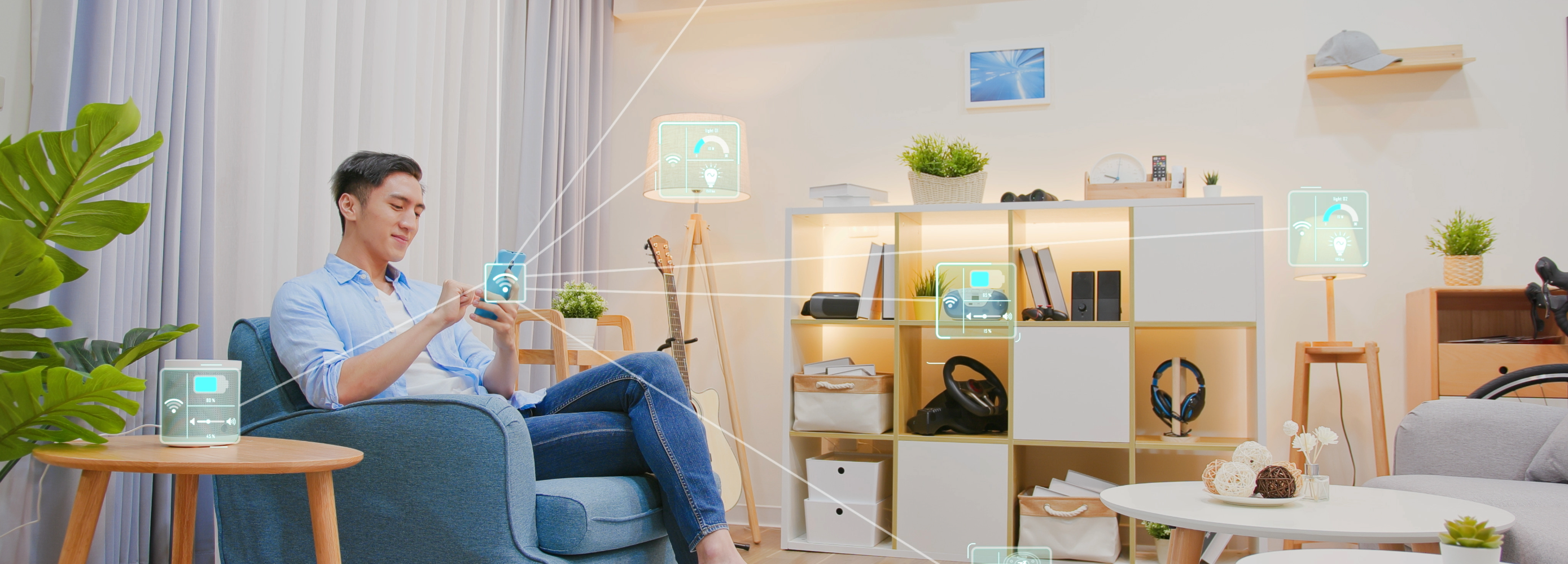
Technology has undoubtedly reshaped the way we interact with our homes. Smart thermostats, lighting, security systems, and even fridges that tell you when to shop have become commonplace. In just five years, these smart home features have moved from novelty to necessity, making homes more convenient, energy-efficient, and secure.
As smart homes become the norm, the expectations of both buyers and renters have risen. Buyers now expect to see homes equipped with the latest tech, and renters are looking for properties that offer ease of living through digital integrations.
The future of homeownership and renting
As we look toward the next five years, it’s clear that the evolution of what constitutes a home isn’t slowing down. The emphasis will continue to be on flexibility, sustainability, and technology. But with these changes comes new opportunities.
Whether you’re a renter or a buyer, there has never been a better time to think about your home in new ways. As expectations shift and priorities change, now might be the perfect moment to evaluate whether your current home is meeting your needs or if it’s time for a new chapter.
Thinking about what your next home should look like? Let’s explore your options together
This article was originally published by BriefYourMarket and is reproduced here with their permission.
For more company news and insights from Pygott & Crone, click here




Latest news
One third of properties need price reductions: How to avoid joining them
January 2026 brought a strong start to the property market.
Mortgage rates and what they mean for buyers and sellers
Mortgage rates and what they mean for buyers and sellersMortgage rates are one of the most significant factors in the UK property market, influencing how much buyers can borrow, which price brackets are accessible, and how sellers should calibrate their expectations.

What buyers are actually doing during a viewing, and why it matters
What buyers are doing during a viewing, and why it matters A viewing typically lasts thirty to forty-five minutes, and within that window a browser becomes a buyer, or does not.
Preparing for a valuation visit: What agents actually look at
Preparing for a valuation visit: What agents actually look atMost sellers tidy the house before an agent comes to value it, which is sensible enough.
