

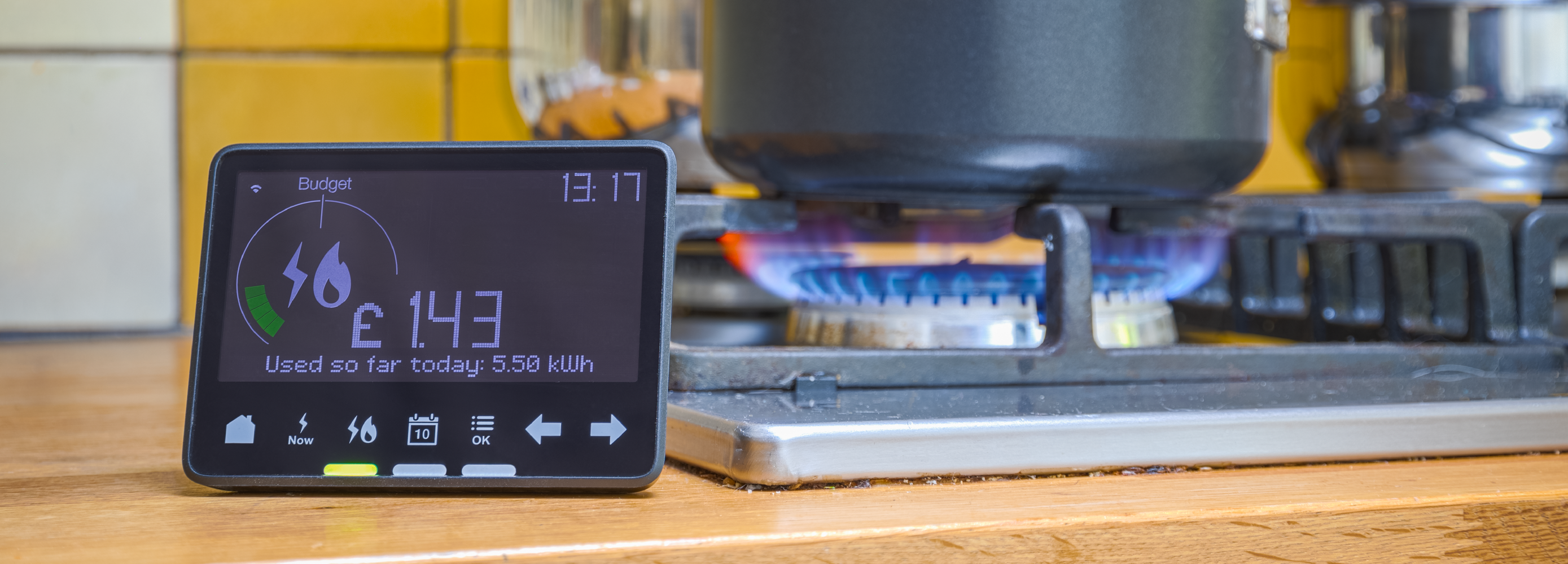
How You Can Save Money on Energy Bills
Know your energy usage Start by understanding where your energy is going.

Check your bills, see which appliances use the most, and identify habits that increase consumption. Awareness is the first step to cutting costs.
Switch to energy-efficient appliances
Old appliances can drain your wallet. Look for A-rated or energy-efficient models, especially for fridges, washing machines, and boilers. Even small upgrades can make a noticeable difference over time.
Insulate and draught-proof your home
Keeping the heat inside is one of the easiest ways to save. Add draught excluders to doors, seal windows, and consider loft or cavity wall insulation. A warmer home means your heating doesn’t need to work as hard.
Smart heating and thermostats
A smart thermostat or heating timer helps you use energy only when you need it. Lowering the temperature by just 1–2°C can reduce your bills significantly without sacrificing comfort.
Be savvy with lighting
Switch to LED bulbs – they use far less energy than traditional incandescent lights and last longer. Remember to turn off lights when leaving a room to avoid wasting power.
Monitor water usage
Heating water can be a big energy drain. Simple steps like taking shorter showers, fixing leaks, and using a water-efficient showerhead can cut both energy and water bills.
Compare energy suppliers
Don’t stick with the same provider by default. Shop around for better deals, fixed tariffs, or green energy plans that could save you money in the long run.
Adopt small daily habits
Turn off appliances instead of leaving them on standby, air-dry clothes when possible, and cook efficiently by using lids and the right-sized pans. These small changes add up over time.
Saving on energy bills isn’t about drastic lifestyle changes it’s about smarter choices, small adjustments, and making your home more efficient. With a few simple steps, you can enjoy a cosy home and a healthier wallet.
Want personalised tips to cut your energy bills?
Contact us today for smart tips that increase the value of your home
This article was originally published by BriefYourMarket and is reproduced here with their permission.
For more company news and insights from Pygott & Crone, click here




Latest news
One third of properties need price reductions: How to avoid joining them
January 2026 brought a strong start to the property market.
Mortgage rates and what they mean for buyers and sellers
Mortgage rates and what they mean for buyers and sellersMortgage rates are one of the most significant factors in the UK property market, influencing how much buyers can borrow, which price brackets are accessible, and how sellers should calibrate their expectations.

What buyers are actually doing during a viewing, and why it matters
What buyers are doing during a viewing, and why it matters A viewing typically lasts thirty to forty-five minutes, and within that window a browser becomes a buyer, or does not.

Preparing for a valuation visit: What agents actually look at
Preparing for a valuation visit: What agents actually look atMost sellers tidy the house before an agent comes to value it, which is sensible enough.
