


How smart technology can increase the value of your property
Today’s buyers expect more than just four walls and a roof, they want convenience, efficiency, and security.

Smart home technology can deliver all three, making your property more attractive and often increasing its value.
Smart security for peace of mind
Video doorbells, smart locks, and security cameras give buyers a sense of safety and control.
Homes with visible security technology often command higher offers because buyers feel they’re getting a low-risk investment.
Energy efficiency and convenience
Smart thermostats, lighting systems, and energy monitors allow homeowners to reduce bills and carbon footprints.
Eco-conscious buyers see these features as long-term savings, making the property more appealing and valuable.
Connected entertainment and lifestyle features
Smart speakers, automated lighting, and multi-room audio turn a house into a modern, comfortable home.
Buyers love spaces that feel ready for a connected lifestyle, giving your property a competitive edge.
Kitchen and bathroom tech upgrades
Touchless taps, smart ovens, and integrated appliances can add that wow factor.
Small technology upgrades can make these essential spaces feel high-end without a full renovation.
Flexibility means future-proofing
Homes that are Wi-Fi enabled, voice-controlled, and compatible with multiple smart devices signal adaptability for future trends.
Buyers value properties that won’t feel outdated in a few years, which can translate into higher offers.
Looking to increase your property’s appeal and value?
Contact us today to explore which smart home upgrades make the most impact for your property
This article was originally published by BriefYourMarket and is reproduced here with their permission.
For more company news and insights from Pygott & Crone, click here




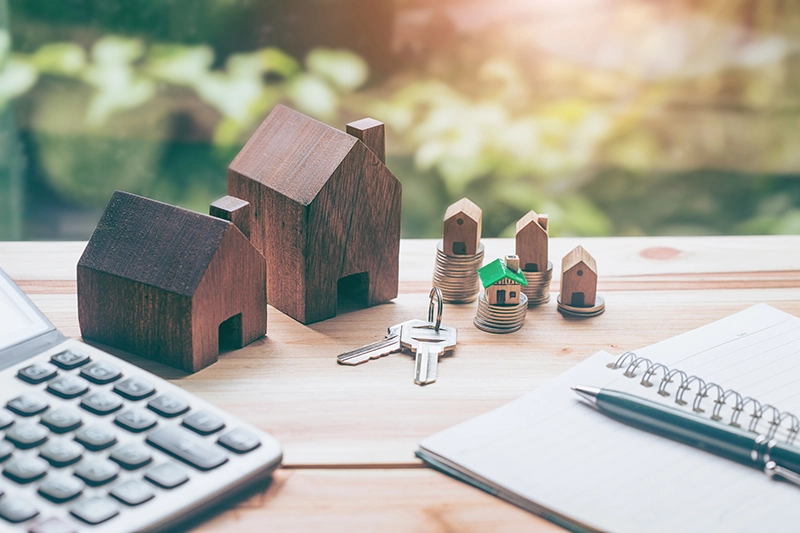
Latest news
One third of properties need price reductions: How to avoid joining them
January 2026 brought a strong start to the property market.
Mortgage rates and what they mean for buyers and sellers
Mortgage rates and what they mean for buyers and sellersMortgage rates are one of the most significant factors in the UK property market, influencing how much buyers can borrow, which price brackets are accessible, and how sellers should calibrate their expectations.

What buyers are actually doing during a viewing, and why it matters
What buyers are doing during a viewing, and why it matters A viewing typically lasts thirty to forty-five minutes, and within that window a browser becomes a buyer, or does not.
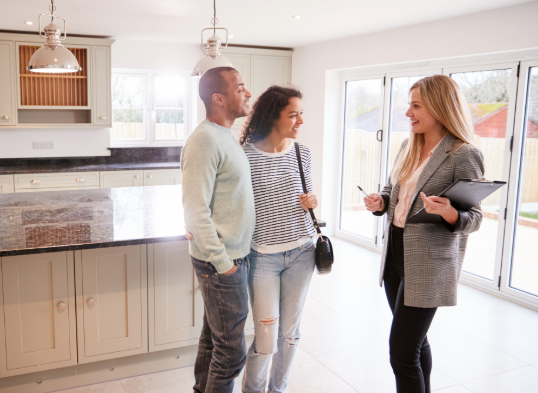
Preparing for a valuation visit: What agents actually look at
Preparing for a valuation visit: What agents actually look atMost sellers tidy the house before an agent comes to value it, which is sensible enough.
