


Insurance claims spike in winter: Protecting your rental
Winter Property Risks: Protecting Your Investment Winter brings frost, storms, and occasional chaos, and unfortunately, that means insurance claims often spike.

Understanding the risks and how to protect your property is key to keeping your tenants safe and your wallet intact.
Common Winter Claims
Burst pipes, heating failures, and storm damage are the usual culprits. Slip-and-fall incidents and minor water damage can escalate quickly if not addressed. Knowing what to watch for helps you act before a small problem becomes a major claim.
Policy Exclusions
Not all insurance policies cover everything. Check your coverage carefully for exclusions such as neglected maintenance or tenant negligence. Understanding your policy’s limits means there are no nasty surprises if you need to claim.
Preventive Measures
A little preparation goes a long way. Insulate pipes, service boilers, clear gutters, and check for roof leaks. Regular inspections can prevent many winter-related problems before they start.
Liability Issues
If a tenant or visitor is injured, landlords could be held liable. Document your inspections, respond promptly to repair requests, and maintain open communication with tenants to reduce risk.
Want peace of mind this winter? Speak to us today for guidance on
protecting your rental property.
This article was originally published by BriefYourMarket and is reproduced here with their permission.
For more company news and insights from Pygott & Crone, click here





Latest news

The autumn deadline student tenants need on their radar
The autumn deadline student tenants need on their radar Most of the changes introduced by the Renters' Rights Act on 1 May 2026 work in tenants' favour: stronger security of tenure, no more no-fault evictions, and the freedom to leave at any point with two months' written notice.

What your landlord must do with your deposit, and by when
What your landlord must do with your deposit, and by when When you hand over a deposit at the start of a private tenancy in England or Wales, the law sets out precisely what your landlord must do with it and when.

Why first-time buyers pay wildly different stamp duty depending on where they buy
Why first-time buyers pay wildly different stamp duty depending on where they buy First-time buyers in England start from the same point on paper: a stamp duty relief threshold that means no tax is paid on the first £300,000 of a purchase price.
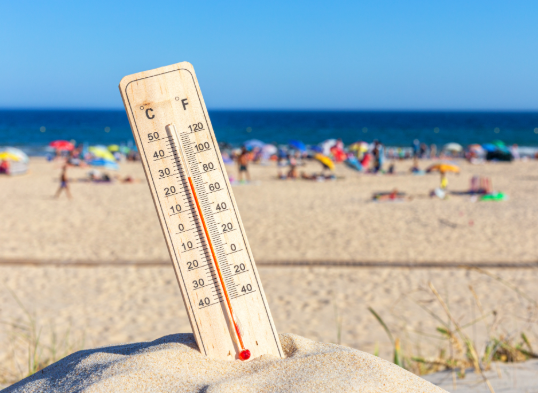
Three heatwaves, three dips, one resilient buyer market
Three heatwaves, three dips, one resilient buyer market The summer of 2026 tested the UK property market with an unusual combination of pressures: three separate heatwaves, a World Cup, a period of political uncertainty, and elevated mortgage rates following the conflict in Iran.
